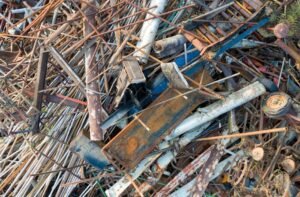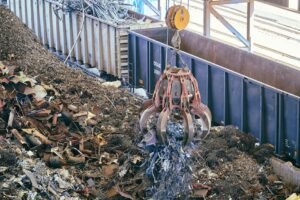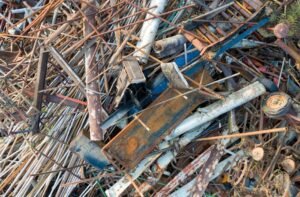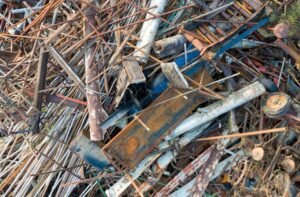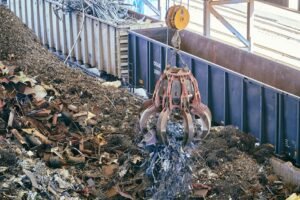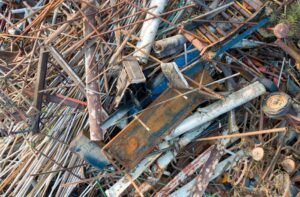

A scrap yard in Australia plays a critical role in the circular economy by processing discarded metals into reusable resources. From industrial waste to household scrap, these facilities handle a wide range of materials, ensuring they are repurposed responsibly. Understanding the grades of scrap, the recycling process, and the environmental impact of recycling is essential for businesses and individuals looking to engage with a recycling depot. Whether you’re a manufacturer, a DIY enthusiast, or a small business owner, this guide will provide actionable insights into the world of scrap yards and their significance in sustainable resource management.
Grades of Scrap Metal: Understanding the Classification System
Scrap metal is categorized into grades based on material type, purity, and usability. The two primary classifications are ferrous and non-ferrous metals. Ferrous metals, such as steel and iron, contain iron and are magnetic. These are often the most recycled materials due to their abundance and durability. Non-ferrous metals, including copper, aluminum, brass, and stainless steel, are non-magnetic and valued for their resistance to corrosion and high conductivity.
Within these broad categories, further sub-grades exist. For example, copper is divided into grades like OFC (Oxygen-Free Copper) and CCA (Copper-Clad Aluminum), while aluminum includes grades such as 1100 (pure aluminum) and 6061 (alloyed aluminum). These distinctions affect the scrap’s market value and reuse potential. A reputable metal scrap yard will accurately sort and price materials based on these grades, ensuring fair compensation for sellers and high-quality inputs for recyclers.
Specialty scrap, such as scrap electronics (e-scrap) and scrap vehicles, requires specialized handling due to embedded hazardous materials and complex components. Recycling depots equipped with advanced sorting technologies can efficiently process these materials, recovering valuable metals like gold, silver, and rare earth elements.
How Recycling Works: From Collection to Reuse
The recycling process in a scrap yard involves several stages: collection, sorting, processing, and remanufacturing. Here’s a detailed breakdown:
- Collection: Scrap is gathered from industrial sites, construction projects, households, and e-waste centers. Many recycling depots offer walk-in services or scheduled pickups for large volumes.
- Sorting: Materials are separated using magnetic separators, optical scanners, and manual inspections. This step ensures ferrous and non-ferrous metals are isolated, and contaminants like plastics or glass are removed.
- Processing: Metals are shredded, compacted, or melted down. For example, steel is melted in blast furnaces, while aluminum is reprocessed using energy-efficient smelting techniques.
- Remanufacturing: Recycled metals are transformed into new products, such as construction beams, beverage cans, or automotive parts. This reduces the need for raw material extraction, conserving natural resources.
Efficiency in this process is critical. Advanced recycling depots use technologies like X-ray fluorescence (XRF) to identify metal alloys and AI-powered sorting systems to streamline operations. Platforms like Scrap Trade connect buyers and sellers directly, optimizing the supply chain and reducing delays.
Environmental Benefits of Scrap Yard Recycling
Recycling scrap metal offers significant environmental advantages over mining and processing virgin materials. Key benefits include:
- Resource Conservation: Recycling reduces the demand for bauxite (for aluminum) and iron ore (for steel), preserving finite natural resources.
- Energy Savings: Producing aluminum from recycled scrap uses 95% less energy than from raw materials. Similarly, steel recycling saves 60% of the energy required for new production.
- Reduced Emissions: The recycling process generates up to 70% fewer greenhouse gas emissions compared to traditional smelting and refining.
- Landfill Diversion: Sending 1 ton of scrap metal to a recycling depot prevents 1 ton of waste from entering landfills, mitigating soil and water contamination.
In Australia, where mining has long been a cornerstone of the economy, the shift toward recycling aligns with national sustainability goals. The Australian Government’s National Waste Policy emphasizes doubling recycling rates by 2030, highlighting the role of scrap yards in achieving this target.
Choosing the Right Scrap Yard: Key Considerations
Not all recycling depots are created equal. When selecting a scrap yard, consider the following factors:
- Certifications: Look for ISO 14001 (environmental management) or RIOS (Recycling Industry Operating Standard) certifications, which ensure compliance with sustainability and safety protocols.
- Pricing Transparency: A trustworthy metal recycler will provide clear pricing based on current market rates and metal grades. Avoid depots that offer vague or fluctuating estimates.
- Facility Capabilities: Larger yards with advanced sorting and processing equipment can handle complex scrap types, such as e-scrap or catalytic converters.
- Convenience: Opt for a metal scrap yard near me with walk-in access, online quoting tools, or delivery services for large consignments.
For example, Crg Scrap Yard specializes in high-grade non-ferrous metals and offers real-time pricing through its digital platform, streamlining the buy and sell process for clients.
Practical Tips for Engaging with a Scrap Yard
Whether you’re selling scrap or sourcing recycled materials, these tips can enhance your experience:
- Clean and Sort Materials: Remove contaminants like dirt, plastic, and wood to maximize your payout. For instance, clean copper wire fetches higher prices than dirty or bundled scrap.
- Check Market Trends: Metal prices fluctuate based on global demand, so sell during peak periods (e.g., construction booms) for better returns. Platforms like ScrapTrade provide up-to-date pricing data.
- Understand Tax Implications: In Australia, GST applies to scrap metal sales. Ensure your chosen depot issues proper invoices for tax compliance.
- Explore Bulk Discounts: Large-scale sellers, such as demolition companies, can negotiate better rates by offering consistent, high-volume supplies.
- Verify Legal Compliance: Ensure the scrap yard adheres to regulations like the Australian Competition and Consumer Commission (ACCC) guidelines and has permits for hazardous waste handling.
The Future of Scrap Yards in Australia
The scrap yard industry is evolving to meet growing environmental and economic demands. Innovations like AI-driven sorting and blockchain-based supply chain tracking are enhancing transparency and efficiency. Additionally, the rise of the Scrap Trade platform has enabled direct connections between buyers and sellers, reducing intermediaries and lowering costs.
Government initiatives, such as the Circular Economy Strategy, further support the industry by funding research into advanced recycling technologies. As Australia transitions toward a low-carbon economy, scrap yards will remain vital in achieving sustainability targets and reducing industrial waste.
Conclusion: Embracing Sustainable Practices Through Scrap Yards
A scrap yard is more than a disposal site—it is a hub for resource recovery and environmental stewardship. By understanding metal grades, recycling processes, and the benefits of responsible recycling, individuals and businesses can contribute to a greener future. Whether you’re selling old appliances, managing industrial waste, or sourcing eco-friendly materials, partnering with a reliable recycling depot ensures your actions align with global sustainability goals.
For seamless buy and sell transactions, leverage digital platforms like Scrap Trade or visit a scrap yard near me to get started today.
Related: metal scrap yard
Frequently Asked Questions
What are the most valuable scrap metal grades?
Non-ferrous metals like copper, aluminum, and brass typically hold higher value due to their conductivity and corrosion resistance. For example, 1 kg of copper can fetch up to $10 AUD, while ferrous metals like steel are priced lower, around $0.20–$0.50/kg.
How does a scrap yard reduce environmental impact?
Scrap yards divert waste from landfills, conserve natural resources, and lower energy consumption. Recycling aluminum saves 95% of the energy needed to produce new aluminum, significantly reducing carbon emissions.
Can I sell scrap metal without a recycling license?
In Australia, individuals can sell scrap metal without a license, but businesses handling large volumes or hazardous materials must comply with state-specific regulations, such as the Environment Protection and Biodiversity Conservation Act.
What’s the difference between a recycling depot and a scrap yard?
A scrap yard focuses on collecting, sorting, and processing scrap metals, while a recycling depot may handle broader waste streams, including plastics, paper, and e-waste. Both facilities aim to repurpose materials but specialize in different categories.